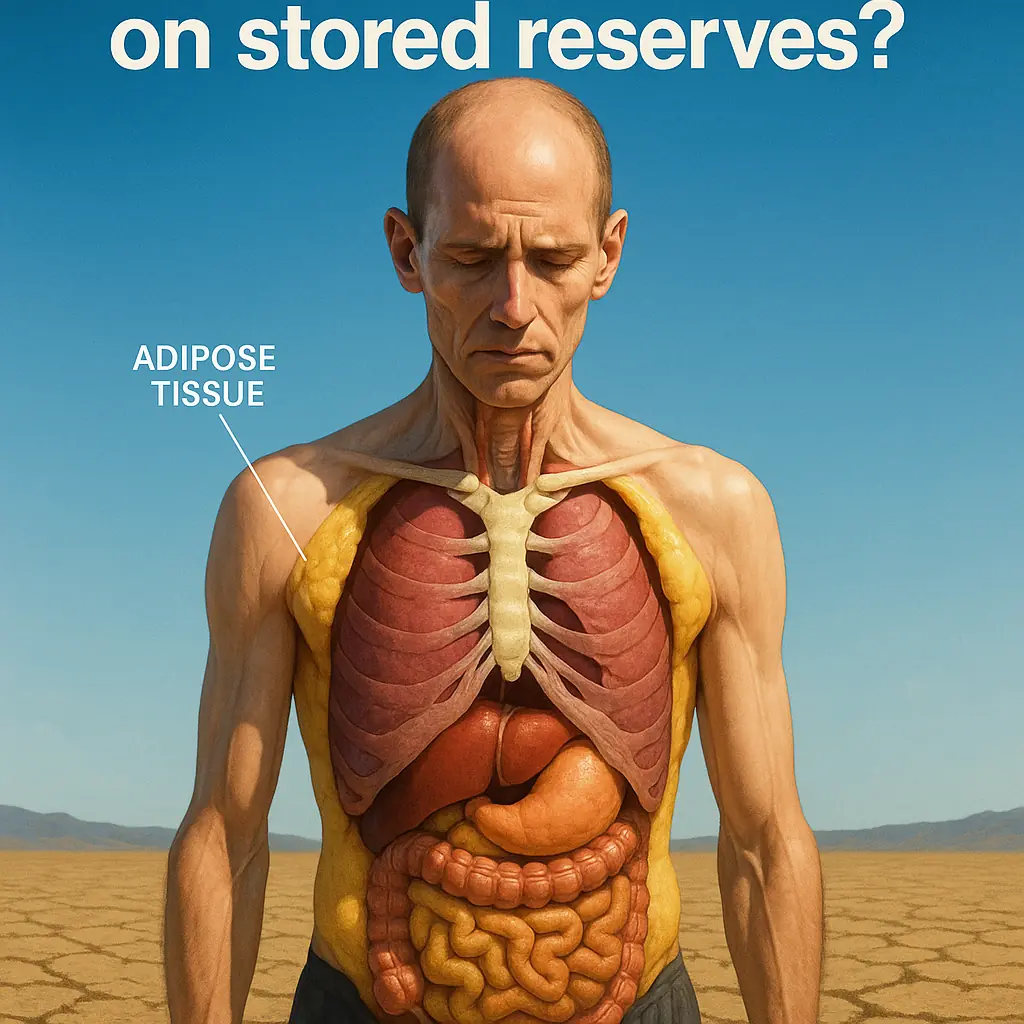
Survival meter
Imagine the factory gates closed for good and no new goods coming off assembly lines. No more fresh harvests shipped from faraway farms. For a stretch of time, every meal, every liter of fuel, every drug, and every spare part would have to come from what we already put away: warehouses, pantries, strategic petroleum reserves, and the shelves of pharmacies.
This is a stopped-clock world: services still run until the stored stuff runs out or rots, then they stop. The question isn’t whether we can live on reserves for a while, it’s how long, and what unravels first.
Timeline of consequences
The first scramble: logistics, power, and panic
The moment production halts, the supply chain becomes a queue. Distribution centers prioritize hospitals, utilities, and major urban centers. Perishable food moves to the front of the line. Fuel in trucks and generators keeps things working for a few days to weeks, depending on how quickly it is redeployed.
Expect sharp spikes in local shortages and panic buying. Emergency services stretch existing stockpiles. Without new parts, any damaged vehicle or conveyor that fails will stay broken until a usable spare is found in a store or warehouse.
Rationing, spoilage, and patchwork repairs
Cold-chain foods start to spoil once refrigeration breaks or refueling gets irregular. Governments and institutions impose rationing and controlled distribution. Black markets and local barter systems grow fast.
Maintenance shifts from manufactured replacement to cannibalization. Mechanics harvest parts from decommissioned machines. Hospitals begin conserving medicines and delaying non-urgent procedures as drug supplies with limited shelf lives dwindle.
Infrastructure begins to fray
Electric grids, water treatment plants, and rail systems need constant inputs and upkeep. Stored fuel and spare parts allow operation for a while, but the rate of decay increases. Sewage and clean water provision become intermittent in many places.
Food reserves that are not perishable shrink. The cold storage network falters if backup power dries up. Seed stocks and live animals become the only renewable food source, but most commercial seed lots need replenishment or controlled renewal to stay viable long term.
Recycling as a substitute, social strain escalates
With fresh production absent, recycling and repurposing become the backbone of survival. Metal and plastic salvage feed repair needs, while textile reuse covers clothing. But closed-loop recycling is lossy; material quality degrades over cycles, so complex machinery and precise electronics are hard to sustain.
Population flows change. Urban areas with little in the way of food production become high-risk zones. Rural areas with arable land and stored seed face pressure from migrants. Governance varies: some communities stabilize, others fragment.
A new baseline or a slow decline
If production never resumes, human society must either build a durable, low-tech steady state or shrink. Population decline is likely until births match the new carrying capacity. Ecosystems could recover in many regions from reduced extraction, but local damage from prolonged consumption of reserves, fires, and conflict may leave scars.
Some technologies survive by being simple enough to maintain: basic metallurgy, manual agriculture, and low-energy medicine. High-tech civilization fades unless a community preserves manufacturing capability by preplanned, conservative use of spares and materials.
What science says
Stored reserves come in many forms and each obeys physical and biological limits. Food stores are about calories and nutrients. Dry staples like rice and wheat survive years if kept dry and cool. Canned and dehydrated goods can last decades under good conditions. Fresh produce, dairy, and meat are ephemeral without refrigeration, and even frozen foods depend on continuous power.
Fossil fuels offer high energy density and can be pumped or burned until tanks run dry. Their rate of use determines how long they last. Batteries self-discharge and degrade; many household batteries lose capacity in months to years. Chemical stocks, from fertilizers to pharmaceuticals, have shelf lives driven by molecular stability and contamination risk.
Biology sets its own deadlines. Vaccines and most antibiotics have limited effective shelf lives. Many modern medicines require precise storage. Seed viability varies by species; some seeds remain viable for many years if stored cool and dry, but commercial hybrid seeds can be poor candidates for long-term regenerative agriculture because offspring may not breed true.
Engineering constraints matter just as much. Many critical systems require ongoing maintenance, not just parts. Lubricants oxidize, rubber perishes, and corrosion gradually disables infrastructure. Closed-loop recycling reduces dependency on new raw materials, but every recycling step loses some material quality and often requires energy and expertise that must itself come from reserves or renewable inputs.
Could anything survive?
Survival on reserves splits into two tasks: stretch what you have, and transition to renewable or low-input living.
Short-term household actions
- Inventory everything. Know caloric value, medical supplies, fuel and water on hand.
- Ration by calories and nutrients, not just volume. Prioritize protein, key micronutrients, and hydration.
- Extend perishables with cold packs, salting, drying, fermenting, smoking, and canning where heat and containers allow.
- Secure clean water. Stored water can be treated with chlorine or boiled; long-term, identify wells or springs and protect them.
Community-scale priorities
- Protect and prioritize hospitals and eldercare with remaining medical supplies and power.
- Create transparent rationing and distribution systems to limit hoarding and violence.
- Prioritize repairable, high-leverage infrastructure: pumps, wells, septic systems, and basic generators.
- Set up salvage and recycling hubs. Train people quickly in metalworking, carpentry, simple electronics repair, and medicine preparation.
Transition strategies
- Start low-input agriculture immediately. Save seed from heirloom varieties. Use compost and crop rotation to rebuild soil instead of relying on finite fertilizer stocks.
- Shift energy use to human, animal, wind, and solar where possible. Even primitive solar thermal or passive designs cut demand.
- Preserve knowledge. Technical manuals, medicine recipes, and repair guides are as valuable as any spare part.
Social strategies matter as much as technical ones. Communities that organize equitable sharing, maintain infrastructure, and protect critical stores are more likely to stabilize and create a sustainable, if reduced, way of life. Violence and short-term plunder accelerate collapse; governance that enforces fair distribution extends reserve life significantly.